Kingdom Come: Deliverance 2 — Artistic Freedom or Forced Wokeness?
Daniel Vávra and Warhorse Studios defiantly defend historical authenticity in the controversial Kingdom Come: Deliverance 2. Will its uncompromising vision redefine creative freedom in AAA gaming?
As Kingdom Come: Deliverance 2 looms on the horizon, it's not just gamers but the entire industry that's bracing for impact. This ambitious production, with its uncompromising commitment to historical realism, has become a battleground for the clash between traditional game design and the demands of modern political correctness. Daniel Vávra, a decidedly controversial figure, shows no signs of backing down, and his stance is igniting a firestorm of debate across the gaming community.
| Title | Kingdom Come: Deliverance 2 |
|---|---|
| Genre | Action RPG / Historical Simulator |
| Developer | Warhorse Studios |
| Publisher | Warhorse Studios / Deep Silver |
| Release Date | February 11, 2025 |
| Platforms | PC, PlayStation 5, Xbox Series X/S |
| Cover Image | Daniel Vávra |
Key Takeaways at a Glance:
- Kingdom Come: Deliverance 2 continues its uncompromising vision of historical realism, defying contemporary trends.
- Daniel Vávra has become a leading voice against enforced political correctness, sparking intense debate within the industry.
- The sequel not only expands on combat mechanics and character management but also challenges the boundaries of creative freedom in the age of mass-produced games.
- Warhorse Studios collaborates with historians to recreate 15th-century Bohemia with unprecedented accuracy.
Realism as the Cornerstone of Genre Resurgence
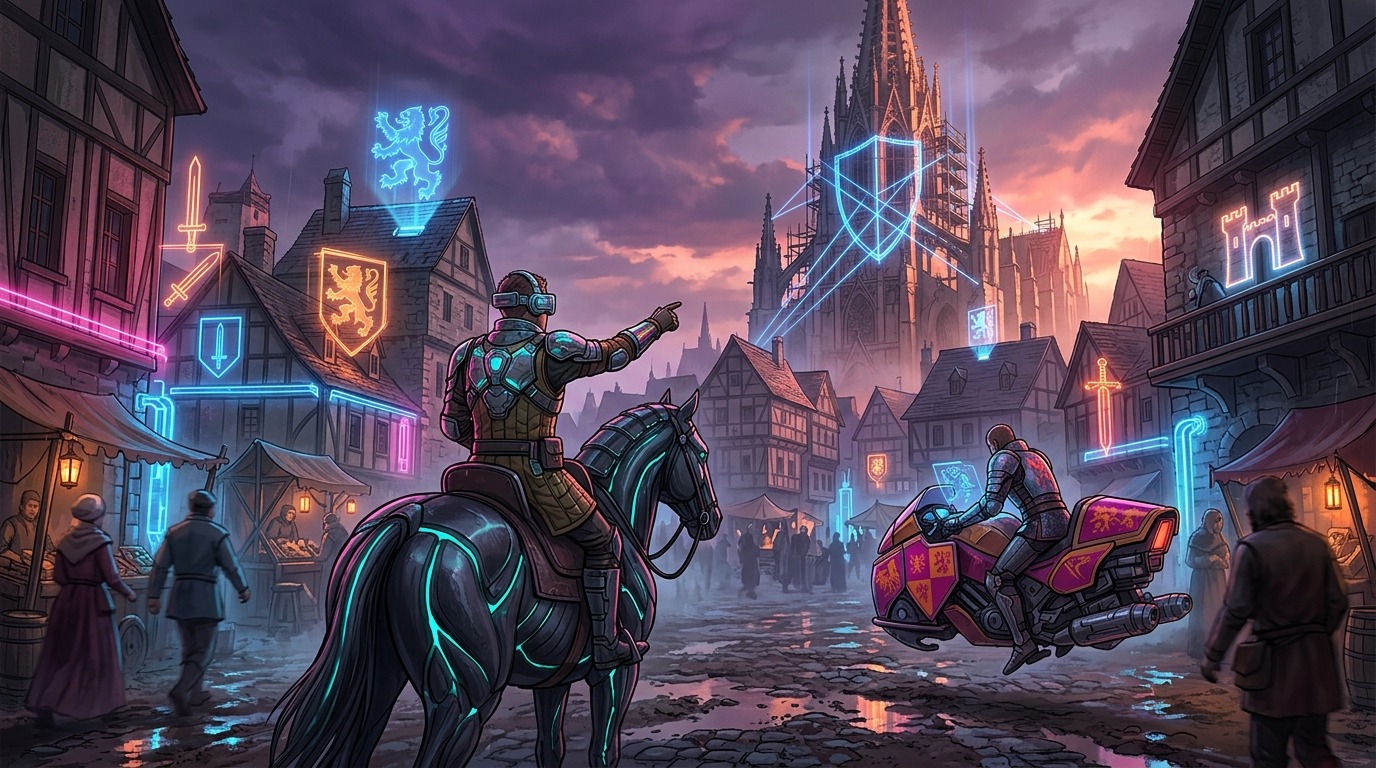
We travel to 15th-century Bohemia—a world where every day is a struggle for survival. Mud, hunger, ruthless politics, and an unrelenting reality. This is no fairy-tale landscape of magic swords and dragons, but a raw, authentic narrative of a man fighting to survive. From the outset, Vávra envisioned the game as a history lesson, not a simplified spectacle.
The success of the first installment proved that gamers crave authenticity. In the sequel, the bar is set even higher. Physics-based combat, extensive skill trees, and above all, a deep narrative rooted in real European history—every element has been meticulously crafted and verified by experts.
Yet this is not merely about factual accuracy. It is a challenge to contemporary industry trends. Vávra refuses to take the easy route and instead offers a genuine intellectual and emotional challenge, something often missing in modern productions.
Creative Dilemmas: The Boundaries of Artistic Freedom
The modern gaming market faces a difficult choice: grant creators full freedom or impose standards to ensure universal acceptability. Vávra chose the former, and his decision has ignited a firestorm. His stance is not only an artistic manifesto but also a challenge to the entire industry.
In a world where every word is scrutinized and criticized, prioritizing authenticity is a risky move. Vávra knows his game won't appeal to everyone, but it is precisely this bold vision that makes it extraordinary. Will this strategy yield financial success? All indications suggest it will—gamers crave titles that treat them as mature, discerning consumers ready for challenges and complex themes.
One must also ask: is imposing contemporary standards on historical productions truly necessary? Could it destroy what is most beautiful in art—its freedom? Vávra believes history is valuable in itself and should not be modified under pressure from trends.
Development Challenges and Player Expectations
Game development is not just about technology but also about approaching history with integrity. Warhorse Studios has always prioritized authenticity and detail, working with historians to recreate not only events but also the mindset of the era. This is no easy task, particularly when you must satisfy both historians and gamers.
Today's players expect not only solid gameplay but also rich content and the ability to influence the game world. Kingdom Come: Deliverance 2 aims to deliver on all fronts without compromise. Vávra wants to demonstrate that a game can be both a faithful historical recreation and an engaging experience. Will he succeed? The release will tell.
Expectations are immense. Following the success of the first game, fans want even more—deeper narratives, more advanced mechanics, and above all, more authenticity. And that is exactly what Vávra offers, controversy notwithstanding.
FAQ
Will Kingdom Come: Deliverance 2 include LGBTQ+ content?
Warhorse Studios emphasizes that the game focuses on historical accuracy. All relationships and events are presented in a manner consistent with 15th-century Bohemia, without anachronisms that would disrupt immersion.
Why does Daniel Vávra criticize contemporary industry trends?
Vávra believes that imposing modern standards on historical productions undermines authenticity and restricts creative freedom. For him, history is inherently valuable and should not be modified to cater to trends.
Will the game be as challenging as the first installment?
Yes, the sequel maintains its realistic approach to mechanics. Combat demands precision, and managing the protagonist's skills and needs is essential for survival in a brutal medieval world.
What are the game's release plans?
Kingdom Come: Deliverance 2 is scheduled for release on February 11, 2025, for PC, PlayStation 5, and Xbox Series X/S. Pre-order pricing may be around 400-450 PLN for the standard edition.