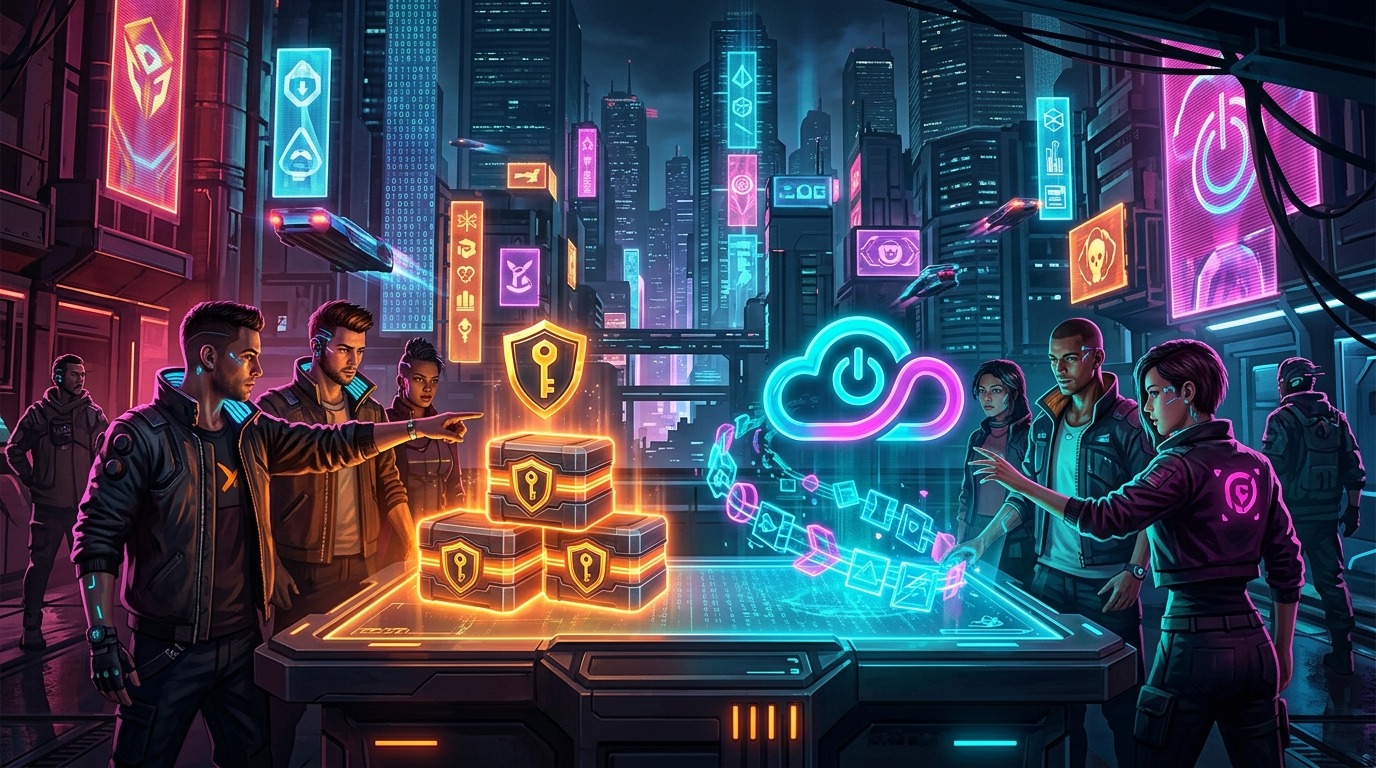
Subscriptions vs. Ownership: Where Is the Gaming Market Headed?
In the gaming world, the divide between subscription models and traditional ownership is becoming clearer every day. Will subscriptions become the future of gaming, or are they just a passing trend that won't threaten traditional distribution methods
In recent years, the gaming market has undergone a true revolution. Ever since services like Xbox Game Pass and PlayStation Plus Extra/Premium started gaining popularity, players have begun to wonder if it's even worth buying games outright. This is mainly due to convenience – for a fixed monthly fee, we get access to hundreds of titles that can be downloaded and installed on our device at any time.
| Title | Subscriptions vs. Ownership: The New Reality of the Gaming Market |
|---|---|
| Genre | Market analysis, overview |
| Developer | Kvikee.com |
| Publisher | Kvikee.com |
| Release Date | 2026-07-15 |
| Platforms | PC, Consoles, Mobile |
| Cover Image | Unknown Worlds |
Key Takeaways at a Glance:
- Subscription services offer access to a wide library of games for a fixed monthly fee.
- The ownership model allows for long-term use of games and the ability to resell them.
- The growing popularity of cloud gaming is changing the way we access games.
- New proposals combining both models are hitting the market.
The New Era of Game Distribution
In the last decade, we've seen a real revolution in the gaming industry. Since services like Xbox Game Pass and PlayStation Plus Extra/Premium have gained popularity, players have started wondering if it's even worth buying games outright. This is mainly due to convenience – for a fixed monthly fee, we get access to hundreds of titles that can be downloaded and installed on our device at any time.
Pros and Cons of the Subscription Model
The downsides of the subscription model are not to be underestimated. Most importantly, we can't be sure that the games available in the library today will still be there next month or next year. This means we can't be certain that our favorite titles will always be available. Also, many games in subscriptions don't have the option to play in a physical version, which can be a problem for those who value collecting game boxes.
However, the convenience is priceless. Thanks to subscriptions, we can play hundreds of games without having to spend large sums on buying them outright. This is especially important for AAA games, whose prices at launch often range from $350–450. For many players, this is the only way to try out the latest releases without having to spend a fortune.
It's also worth noting that many people still value traditional game ownership. For them, owning a physical copy of a game is not only about playing, but also a form of collecting. It's also worth adding that the secondary market for physical games – the ability to resell a disc – is the only way to recover part of the capital invested, which is completely impossible in the digital model.
The Future of Game Ownership
It's also worth noting that many people still value traditional game ownership. For them, owning a physical copy of a game is not only about playing, but also a form of collecting. It's also worth adding that the secondary market for physical games – the ability to resell a disc – is the only way to recover part of the capital invested, which is completely impossible in the digital model.
However, the convenience is priceless. Thanks to subscriptions, we can play hundreds of games without having to spend large sums on buying them outright. This is especially important for AAA games, whose prices at launch often range from $350–450. For many players, this is the only way to try out the latest releases without having to spend a fortune.
Impact of Subscriptions on the Gaming Market
In recent years, the gaming market has undergone a true revolution. Since services like Xbox Game Pass and PlayStation Plus Extra/Premium have gained popularity, players have started wondering if it's even worth buying games outright. This is mainly due to convenience – for a fixed monthly fee, we get access to hundreds of titles that can be downloaded and installed on our device at any time.
The downsides of the subscription model are not to be underestimated. Most importantly, we can't be sure that the games available in the library today will still be there next month or next year. This means we can't be certain that our favorite titles will always be available. Also, many games in subscriptions don't have the option to play in a physical version, which can be a problem for those who value collecting game boxes.
However, the convenience is priceless. Thanks to subscriptions, we can play hundreds of games without having to spend large sums on buying them outright. This is especially important for AAA games, whose prices at launch often range from $350–450. For many players, this is the only way to try out the latest releases without having to spend a fortune.
Pros and Cons of the Subscription Model
The downsides of the subscription model are not to be underestimated. Most importantly, we can't be sure that the games available in the library today will still be there next month or next year. This means we can't be certain that our favorite titles will always be available. Also, many games in subscriptions don't have the option to play in a physical version, which can be a problem for those who value collecting game boxes.
However, the convenience is priceless. Thanks to subscriptions, we can play hundreds of games without having to spend large sums on buying them outright. This is especially important for AAA games, whose prices at launch often range from $350–450. For many players, this is the only way to try out the latest releases without having to spend a fortune.
It's also worth noting that many people still value traditional game ownership. For them, owning a physical copy of a game is not only about playing, but also a form of collecting. It's also worth adding that the secondary market for physical games – the ability to resell a disc – is the only way to recover part of the capital invested, which is completely impossible in the digital model.
The Future of Game Ownership
It's also worth noting that many people still value traditional game ownership. For them, owning a physical copy of a game is not only about playing, but also a form of collecting. It's also worth adding that the secondary market for physical games – the ability to resell a disc – is the only way to recover part of the capital invested, which is completely impossible in the digital model.
However, the convenience is priceless. Thanks to subscriptions, we can play hundreds of games without having to spend large sums on buying them outright. This is especially important for AAA games, whose prices at launch often range from $350–450. For many players, this is the only way to try out the latest releases without having to spend a fortune.
Impact of Subscriptions on the Gaming Market
In recent years, the gaming market has undergone a true revolution. Since services like Xbox Game Pass and PlayStation Plus Extra/Premium have gained popularity, players have started wondering if it's even worth buying games outright. This is mainly due to convenience – for a fixed monthly fee, we get access to hundreds of titles that can be downloaded and installed on our device at any time.
The downsides of the subscription model are not to be underestimated. Most importantly, we can't be sure that the games available in the library today will still be there next month or next year. This means we can't be certain that our favorite titles will always be available. Also, many games in subscriptions don't have the option to play in a physical version, which can be a problem for those who value collecting game boxes.
However, the convenience is priceless. Thanks to subscriptions, we can play hundreds of games without having to spend large sums on buying them outright. This is especially important for AAA games, whose prices at launch often range from $350–450. For many players, this is the only way to try out the latest releases without having to spend a fortune.
Pros and Cons of the Subscription Model
The downsides of the subscription model are not to be underestimated. Most importantly, we can't be sure that the games available in the library today will still be there next month or next year. This means we can't be certain that our favorite titles will always be available. Also, many games in subscriptions don't have the option to play in a physical version, which can be a problem for those who value collecting game boxes.
However, the convenience is priceless. Thanks to subscriptions, we can play hundreds of games without having to spend large sums on buying them outright. This is especially important for AAA games, whose prices at launch often range from $350–450. For many players, this is the only way to try out the latest releases without having to spend a fortune.
It's also worth noting that many people still value traditional game ownership. For them, owning a physical copy of a game is not only about playing, but also a form of collecting. It's also worth adding that the secondary market for physical games – the ability to resell a disc – is the only way to recover part of the capital invested, which is completely impossible in the digital model.
The Future of Game Ownership
It's also worth noting that many people still value traditional game ownership. For them, owning a physical copy of a game is not only about playing, but also a form of collecting. It's also worth adding that the secondary market for physical games – the ability to resell a disc – is the only way to recover part of the capital invested, which is completely impossible in the digital model.
However, the convenience is priceless. Thanks to subscriptions, we can play hundreds of games without having to spend large sums on buying them outright. This is especially important for AAA games, whose prices at launch often range from $350–450. For many players, this is the only way to try out the latest releases without having to spend a fortune.
Impact of Subscriptions on the Gaming Market
In recent years, the gaming market has undergone a true revolution. Since services like Xbox Game Pass and PlayStation Plus Extra/Premium have gained popularity, players have started wondering if it's even worth buying games outright. This is mainly due to convenience – for a fixed monthly fee, we get access to hundreds of titles that can be downloaded and installed on our device at any time.
The downsides of the subscription model are not to be underestimated. Most importantly, we can't be sure that the games available in the library today will still be there next month or next year. This means we can't be certain that our favorite titles will always be available. Also, many games in subscriptions don't have the option to play in a physical version, which can be a problem for those who value collecting game boxes.
However, the convenience is priceless. Thanks to subscriptions, we can play hundreds of games without having to spend large sums on buying them outright. This is especially important for AAA games, whose prices at launch often range from $350–450. For many players, this is the only way to try out the latest releases without having to spend a fortune.
Pros and Cons of the Subscription Model
The downsides of the subscription model are not to be underestimated. Most importantly, we can't be sure that the games available in the library today will still be there next month or next year. This means we can't be certain that our favorite titles will always be available. Also, many games in subscriptions don't have the option to play in a physical version, which can be a problem for those who value collecting game boxes.
However, the convenience is priceless. Thanks to subscriptions, we can play hundreds of games without having to spend large sums on buying them outright. This is especially important for AAA games, whose prices at launch often range from $350–450. For many players, this is the only way to try out the latest releases without having to spend a fortune.
It's also worth noting that many people still value traditional game ownership. For them, owning a physical copy of a game is not only about playing, but also a form of collecting. It's also worth adding that the secondary market for physical games – the ability to resell a disc – is the only way to recover part of the capital invested, which is completely impossible in the digital model.
The Future of Game Ownership
It's also worth noting that many people still value traditional game ownership. For them, owning a physical copy of a game is not only about playing, but also a form of collecting. It's also worth adding that the secondary market for physical games – the ability to resell a disc – is the only way to recover part of the capital invested, which is completely impossible in the digital model.
However, the convenience is priceless. Thanks to subscriptions, we can play hundreds of games without having to spend large sums on buying them outright. This is especially important for AAA games, whose prices at launch often range from $350–450. For many players, this is the only way to try out the latest releases without having to spend a fortune.
FAQ
Are subscription games of lower quality?
No. Services often host major AAA hits and highly acclaimed indie titles, though it is important to remember that the library is dynamic and titles rotate.
Is a game subscription worth it?
For players who finish at least two major titles per year, the subscription cost usually pays for itself within a few months compared to purchasing premium day-one releases.
What happens to my saves when a game leaves Game Pass?
Your progress (saves) remains in the cloud or on your drive. If you purchase the game later (often with a subscriber discount), you can resume your playthrough without losing any achievements.
Will physical media disappear entirely?
Everything points to them becoming a premium product for collectors, similar to vinyl records in the music industry.
Is subscription the only way to use cloud gaming?
No, there are streaming services (like NVIDIA GeForce Now) that allow you to play games you already own in your digital library (e.g., on Steam), providing a middle ground between ownership and cloud convenience.