Subnautica 2: Court Ruling Paves Way for May Early Access as Krafton Navigates Strategic Decisions
Following a landmark court ruling, Subnautica 2 officially heads to early access in May. This is not just the return of a cult franchise, but a case study in publisher strategy decisions and the risks of the early access model.
The gaming world watches with bated breath as Subnautica 2 prepares for its May early access debut following a landmark court ruling. Restoring Ted Gill as CEO of Unknown Worlds not only paves the way for the sequel but also challenges current norms in developer-publisher relationships. This precedent could reshape industry dynamics for years to come.
| Title | Subnautica 2 |
|---|---|
| Genre | Survival, Adventure, Action |
| Developer | Unknown Worlds |
| Publisher | Krafton |
| Release Date | May 2026 (early access) |
| Platforms | PC, PlayStation 5, Xbox Series X|S |
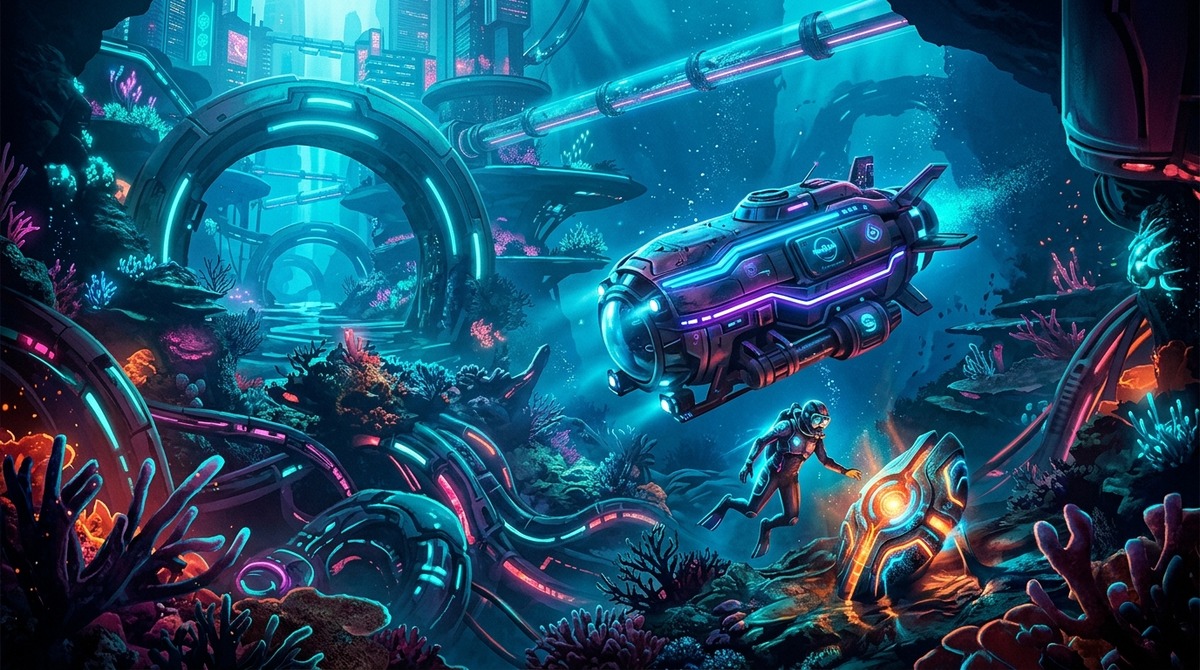
| Cover Image | Subnautica 2 |
Key Takeaways:
- Fresh court victory reinstates original Unknown Worlds leadership.
- Subnautica 2 heads to early access in May 2026, continuing the model from its first installment.
- Krafton faces strategic decisions in light of the groundbreaking ruling.
- The early access model represents an opportunity to rebuild community trust.
Breakthrough Ruling and Its Implications
The court's decision is not just a victory for Ted Gill but a symbolic reset in publisher-developer dynamics. Krafton, known for its aggressive acquisition strategy, must now navigate the aftermath of this judicial precedent. Gamers eagerly await the effects of this turning point.
Indications are the original team will now freely continue the franchise's vision. The early access model represents not only a testing ground but also an opportunity to rebuild community trust.
Challenges and Opportunities for Subnautica 2
There's no doubt the game faces significant challenges. Fan expectations are enormous – they're counting on a unique experience that delivers both adrenaline and narrative depth. Subnautica 2 must prove it can meet these demands.
Meanwhile, the survival market is currently overcrowded. The title must find its place in a world where gamers expect not only innovation but also stability and post-launch support. Everyone eagerly awaits how Unknown Worlds will tackle these challenges.
It's worth emphasizing that the early access model carries inherent risks. Unknown Worlds must be prepared for intense scrutiny and potential backlash if the initial release falls short of expectations. The price point, likely around $60-$80, reflects the premium nature of the title.
Developers face the daunting task of balancing ambitious vision with practical constraints. Subnautica 2 must deliver a compelling experience from day one while maintaining a roadmap for future improvements. The pressure is on to get it right.
Looking ahead, the success of Subnautica 2 will depend on many factors. From technical execution to community management, every decision counts. Unknown Worlds has a golden opportunity to redefine what's possible in the survival genre.
In today's competitive landscape, standing out requires more than just good intentions. Subnautica 2 must innovate and excite in equal measure. The early access period will be crucial in setting the tone for what's to come.
As the launch approaches, all eyes will be on Unknown Worlds. Can they deliver on their ambitious promises? Will Krafton provide the necessary support? These questions and more will be answered in the months ahead.
For now, one thing is certain: Subnautica 2 represents a pivotal moment not just for Unknown Worlds, but for the industry at large. Its success or failure could influence how games are developed and published for years to come.
The Future of Subnautica 2 – What Lies Ahead?
Looking beyond the early access launch, Subnautica 2 faces a long road of development and refinement. The team at Unknown Worlds must be prepared for a marathon, not a sprint. Regular updates, community engagement, and transparent communication will be key.
In terms of gameplay, expectations are sky-high. Fans want more of what made the original special – immersive exploration, tense survival moments, and a captivating narrative. But they also crave innovation. Subnautica 2 must evolve the formula while staying true to its roots.
Technologically, the game has big shoes to fill. The original was praised for its stunning underwater visuals and seamless open world. The sequel must push boundaries further while maintaining performance across platforms. This is no small task, especially considering the complexities of underwater physics and ecosystems.
From a business perspective, Krafton faces a delicate balancing act. They must support Unknown Worlds' creative vision while also ensuring a return on their investment. The early access model provides valuable data, but also opens the door to potential missteps.
As for the competition, Subnautica 2 enters a crowded marketplace. Rivals like No Man's Sky continue to evolve, raising the bar for what's expected in the genre. Unknown Worlds must find ways to differentiate themselves and carve out a unique identity.
Long-term success will depend on post-launch support. Regular content drops, quality-of-life improvements, and community-driven features could make all the difference. Unknown Worlds has set a high bar with their past work – now they must exceed it.
In the end, Subnautica 2's journey is just beginning. The early access launch is merely the first step in what promises to be an epic adventure. For fans and industry watchers alike, the coming months will be filled with anticipation and speculation.
FAQ
When will Subnautica 2 enter early access?
The planned early access launch is May 2026.
What impact does the court ruling have on the game?
The ruling reinstated the studio's original leadership, allowing continuation of the franchise's creative vision.
Will the game be available on consoles?
Yes, versions for PlayStation 5 and Xbox Series X|S have been confirmed.
What are the main early access provisions?
Regular updates every 6-8 weeks at a price point near full AAA releases.