Star Trek: Resurgence Delisted: The Illusion of Digital Game Ownership
Star Trek: Resurgence, from Dramatic Labs, is disappearing from digital stores due to license expiration. This case highlights the fragility of digital game ownership.
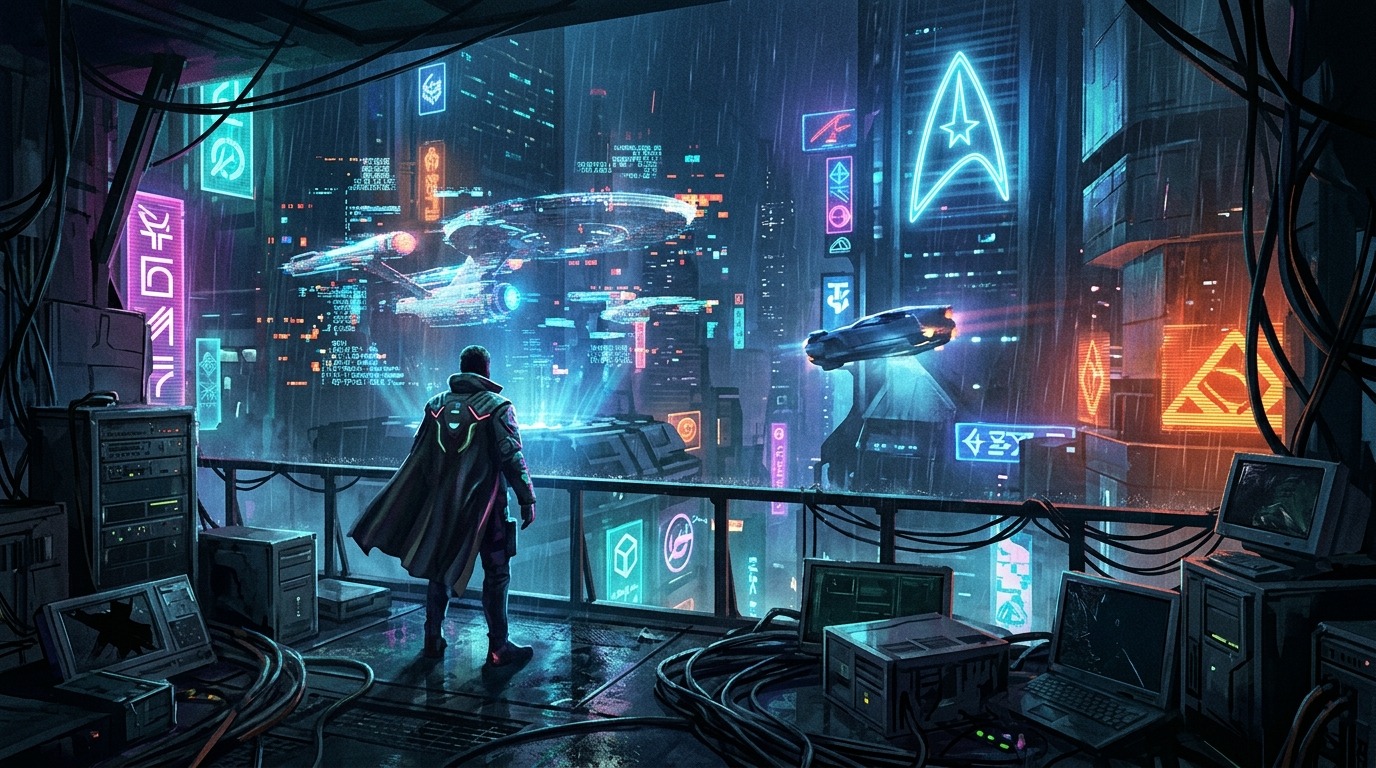
Star Trek: Resurgence, the ambitious narrative adventure from Dramatic Labs, has become a painful symbol of the fragility of digital ownership. Within nearly two years of its release, the title began disappearing from digital storefronts. This isn't a story of poor sales – the game received critical acclaim for its faithful portrayal of the Star Trek universe. Instead, it's a brutal clash with the cold logic of expiring licenses in the gaming industry.
| Title | Genre | Developer | Publisher | Release Date | Platforms | Cover Image |
|---|---|---|---|---|---|---|
| Star Trek: Resurgence | Narrative Adventure | Dramatic Labs | Dramatic Labs | 2023-11-29 | PC, PlayStation 5, Xbox Series X/S | Dramatic Labs |
Key Takeaways:
- Star Trek: Resurgence is disappearing from digital stores due to expiring licensing rights.
- The title received positive reviews for its faithful recreation of the Star Trek universe.
- This situation highlights the fragile nature of digital ownership in the era of expiring licenses.
History and Licensing Context
Star Trek: Resurgence was released in November 2023 by Dramatic Labs, a studio founded by veterans of Telltale Games. The title offered a narrative adventure set in the Star Trek universe, shortly after the events of the movie Star Trek: Nemesis. The game received critical acclaim for its faithful portrayal of the series' spirit. Unfortunately, shortly after its release, issues related to licensing began to emerge. Paramount Global, the owner of the Star Trek rights, did not renew the distribution agreement. As a result, Star Trek: Resurgence started disappearing from platforms like Steam or Xbox Store. This is another example of how expiring licenses can make games unavailable to new buyers.
In the world of licensed games, developers are merely guests – when the IP rights holder decides not to renew the agreement, the game ceases to exist for new buyers. Moreover, in narrative games, where the license includes not only the name but also voice actors and specific musical motifs, renewal costs can be simply unprofitable for smaller studios. This shows how fragile our digital ownership is.
Imagine buying a game that disappears from stores after just two years. This is absurd. The game may still work for those who own it, but for new players, it becomes unavailable. This is a quiet erasure of culture that no patch can fix.
Gameplay and Reception
Star Trek: Resurgence offered classic genre elements: decisive dialogues, choices affecting the plot, and atmospheric soundtracks. Players took on the roles of two heroes, commanding the USS Resolute starship. The title received positive reviews – many portals praised its narrative, characters, and faithful recreation of the series. Unfortunately, this success did not translate into stable availability.
It's worth noting that the game didn't disappear due to lack of interest. It was a title appreciated by fans. The problem was Paramount's licensing policy. As a result, the game became almost legendary – available only to those who managed to buy it.
Star Trek: Resurgence is just the tip of the iceberg. Similar fates have befallen titles like Alan Wake (before its return) or various Transformers games from Activision. Each such case is a gap in the digital heritage of culture.
Systems and Hardware Requirements
The game was released on PC, PlayStation 5, and Xbox Series X/S platforms. Minimum hardware requirements for PC included an Intel Core i5-4590 or AMD FX-8350 processor, 8 GB of RAM, and an NVIDIA GeForce GTX 970 or AMD Radeon RX 570 graphics card. Recommended requirements were an Intel Core i7-7700 or AMD Ryzen 5 1600 processor, 16 GB of RAM, and an NVIDIA GeForce RTX 2060 or AMD Radeon RX 5800 graphics card.
On consoles, the game utilized the capabilities of PlayStation 5 and Xbox Series X/S hardware, offering higher resolution and smoother animation. Unfortunately, these advantages did not protect the title from digital extinction.
The Era of Transience: Are We Just Users?
In the past, games were stored on physical media that could last for decades. Today, they are hostages to servers and corporate decisions. Digital distribution, while convenient, carries risks that many players were unaware of. If a publisher chooses not to pay for license renewal, the game simply ceases to exist in official circulation.
We are facing a reality where access to culture is a luxury on credit. If you love video games, you must accept that your library is temporary, and digital ownership is effectively a revocable license, not a permanent possession.
Salvation in Physical Copies? Or Preservation?
Is a return to physical media the only way forward? Perhaps, though in an age of always-online DRM and day-one patches, even a disc can be little more than a plastic coaster with an activation code.
True preservation of gaming history will require either changes in copyright law (allowing for archival) or increased pressure from the community on publishers.
FAQ
Why is the game being removed from stores?
The reason is the expiration of licensing rights held by the Star Trek brand owner, Paramount Global. Dramatic Labs failed to secure a renewal for the distribution rights.
Can I still play the game if I purchased it?
Yes, if the game is already in your library on Steam, PlayStation, or Xbox, you can still download and play it at any time. The removal only applies to purchasing new copies.
Will the game return to stores?
Currently, there is no official information regarding a return. A return is only possible if the licensing agreement is renegotiated, which remains unlikely under Paramount's current licensing strategy.