Party Animals and the AI Backlash: Is Artificial Intelligence Killing the Soul of Games?
Recreate Games announced a $75K contest for AI-generated content, but faced an immediate backlash. Players are rejecting forced AI integration, defending the soul of gaming.
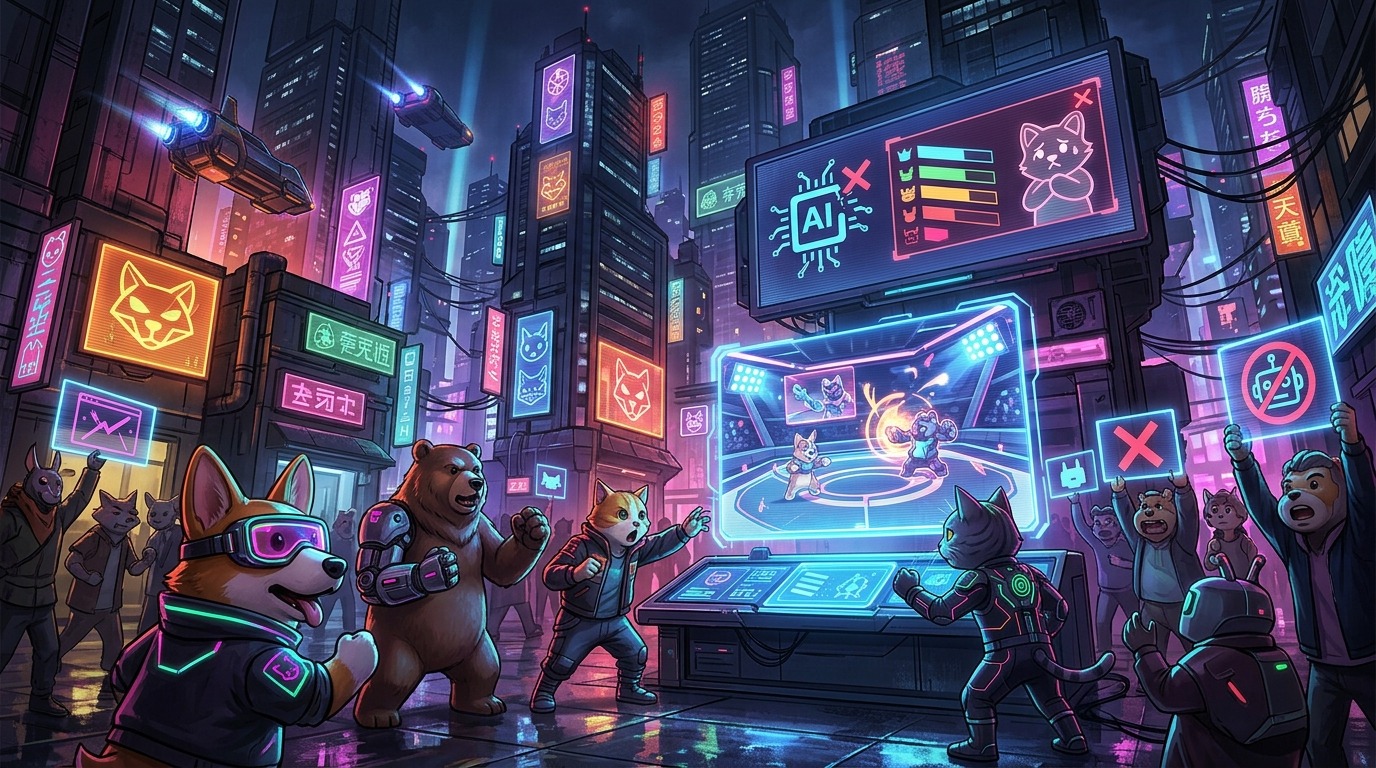
In a world where the line between creativity and cost-cutting is increasingly blurred, Recreate Games – the studio behind the hit Party Animals – faced a real test. The announcement of the Golden Paw Awards contest with a prize pool of $75,000 was meant to be a celebration of creative passion, but the requirement that entries must be AI-generated quickly turned that enthusiasm into a PR disaster. Players left no doubt: replacing human imagination with algorithms is a step they won't accept.
| Title | Party Animals |
|---|---|
| Genre | Social / Party Game |
| Developer | Recreate Games |
| Publisher | Recreate Games |
| Release Date | 2023 |
| Platforms | PC (Steam), Consoles |
| Cover Image | Recreate Games |
Key Takeaways:
- Recreate Games launched a controversial AI contest, triggering a wave of negative reviews on Steam.
- Players reject the forced use of AI as a mandatory creative tool.
- The controversy highlights a deep ethical dilemma: technology versus art.
- Lack of transparency in communication led to loss of trust.
The Genesis of Controversy: From Passion to Algorithm
The story of Party Animals began in 2020 when Recreate Games unveiled a game that was meant to be a nod to classic, humorous productions focused on fun with friends. The commercial success was enormous – the game quickly gained the status of a phenomenon on Steam. That's why when the studio announced the Golden Paw Awards, the community was convinced it would be a celebration of their passion. Unfortunately, the requirement that the works be AI-generated shocked fans.
Let's be clear: players reject the replacement of human creativity with ready-made scripts. The imposition of AIGC as the basis for contest entries triggered an immediate, violent reaction. The studio's reputation on Steam began to collapse faster than servers on launch day. This is not just a matter of taste or aesthetics – it's a real ethical issue. At a time when talented artists are struggling to be noticed, promoting tools that often feed on their work without any compensation causes understandable outrage.
The Mechanics of Rebellion: Steam and Review Bombing
The response was swift and ruthless. Steam ratings plummeted to 'Mostly Negative'. Within 48 hours, players published over 800 negative reviews, turning the game's community profiles into a protest site. Recreate Games responded in the worst possible way: the contest post quietly disappeared, and links now lead to a 404 error. People who had spent dozens of hours in the game felt simply cheated. Instead of appreciating their talent, the developers opted for soulless automation.
Expert Opinions: Is AI the Future?
Many voices in the industry note that the situation resembles what happened with Red Hook Studios or other indie game developers. The community once again stood up for human craftsmanship. The problem isn't the technology itself, but making it the only right tool. Recreate Games promotes creative emptiness instead of supporting artists – a decision that could cost them trust they won't rebuild with any patch.
AI Controversies: Ethics or Savings?
A troubling trend is emerging. Studios are looking for savings by offloading asset creation onto the community armed with AI. If major players go down this path, we face an era of generic mush. Games, which have always been the result of unique artistic vision, risk becoming collections of random elements from a generator. This is a fundamental shift: from works of passion into products optimized for minimal effort.
Technical Aspects: AI and Hardware Requirements
Interestingly, AI technology itself requires increasingly high hardware requirements. For example, image or music generators need powerful graphics cards and processors – a barrier for many users. It's also worth remembering that the price of premium games ranges from $350-450, and AI performance isn't always worth that cost. For players, what matters is a unique experience, not cheap shortcuts.
The Future of Gaming: Will AI Become the Norm?
The discussion around Recreate Games is more than just a controversy over one game. In the industry, debates are heating up: is AI a tool for democratization or a tool for devaluing labor? Independent creators point out that this technology is often used to copy styles and bypass copyrights. The situation with Party Animals is, for many, proof that giants don't want to support us, but to maximize profits at the expense of quality.
Community Communication: Mistakes and Lessons
This whole drama shows how important honesty is. In the age of the internet, every decision is under a microscope. Recreate Games completely misread the mood, ignoring the fact that players value the human element. Instead of building on enthusiasm, they relied on technology associated with laziness and greed. This is a signal to the entire game dev community: technology should help creators, not push them out of work.
The Future of the Community: Can Trust Be Rebuilt?
The road back will be bumpy. Trust is built over years, lost in one night. Recreate Games now has to clearly define which side they are on. Players don't hate technology as such – they hate its imposition instead of talent. The coming months will show whether they learn the lessons or drown in the generic noise they tried to promote.
FAQ
Did Recreate Games withdraw from the contest?
Yes, after a massive wave of criticism, the studio removed links and all information about the contest from their social channels.
Why did players react so negatively to AI?
For many, it's an attack on the ethics of artistic work and fear that games will become repetitive and devoid of authentic, human flair.
How did the controversy affect the game's ratings on Steam?
Steam was flooded with negative reviews, causing Party Animals' overall rating to drop to 'Mostly Negative'.
Is this the end of AI controversies in gaming?
On the contrary, this is just the beginning of a larger debate that will likely resurface every time a studio tries to force generative AI into community engagement.