N64 Finally Gets Proper Online Play! Rollback Netcode is an Absolute Game-Changer
Forget about lag in Super Smash Bros. 64. The RMG-K emulator has introduced rollback netcode, allowing retro classics to run smoother than ever.
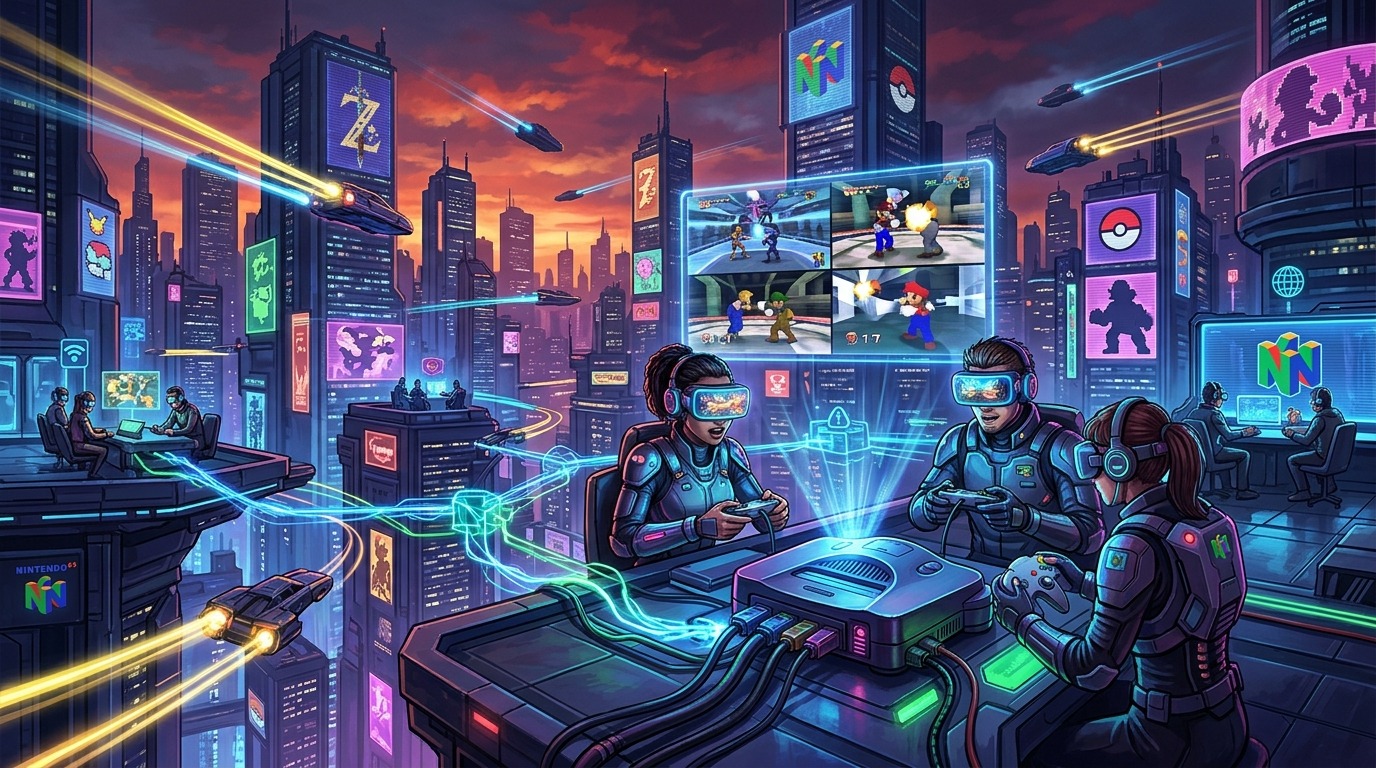
The N64 emulator RMG-K has just received a groundbreaking upgrade: rollback netcode for the entire Nintendo 64 library. Everything changed with the release of RMG-K v0.9.4, a fork of the popular RMG emulator that implemented rollback netcode for the entire Nintendo 64 library. This achievement, once considered impossible, is now a reality.
| Title | Super Smash Bros. |
|---|---|
| Genre | Emulator (action, fighting, racing games) |
| Developer | RMG-K Team (Jay-Day, NyxTheShield) |
| Publisher | Open Source |
| Release Date | v0.9.4 (2024) |
| Platforms | Windows, Linux |
Key Takeaways:
- Rollback netcode revolutionizes online play for N64 classics, eliminating lag issues.
- RMG-K v0.9.4 opens a new era of competitive online gaming for titles like Super Smash Bros. 64.
- This project honors gaming history by showcasing the power of the open-source community.
- The technology enables global online tournaments with near-zero latency.
No More Lag: The Rollback Revolution Arrives on N64
If you've ever attempted to play competitive Super Smash Bros. 64 online, you know the frustration of traditional delay-based netcode. Every input felt like a gamble, and even a minor delay could ruin a high-stakes match. For years, this technical limitation stifled the retro gaming scene.
Everything changed with the release of RMG-K v0.9.4 – a fork of the popular RMG emulator that implemented rollback netcode for the entire Nintendo 64 library. This achievement, once considered impossible, is now a reality.
The Technical Magic Behind Rollback Netcode
Why is rollback netcode such a game-changer? Traditional methods forced the game to “freeze” while waiting for data packets from the opponent. In fast-paced fighting games, this is fatal. Rollback takes an optimistic approach: it assumes your input is instantaneous and renders the frame immediately. If the system detects a mismatch with the network state, it performs an almost instantaneous “rollback” to the last good state and recomputes the frames. To the human eye, this correction is near-invisible, ensuring perfect responsiveness.
Implementing this into the old N64 engine, which was never designed for online play, is a massive engineering feat by the team led by Jay-Day and NyxTheShield. This breakthrough allows classics to shine like never before.
Engineering Challenges: Why It Was So Difficult
Implementing this required the developers to build custom state snapshotting methods from scratch. The N64 architecture, based on the MIPS R4300i CPU, was never designed to save and load states in real-time without significant CPU overhead. To maintain a smooth experience, the emulator must be able to capture the state of the entire system in a fraction of a millisecond.
A New Era for Retro Esports
For decades, the only way to play seriously was in person on a CRT monitor. RMG-K erases these geographical barriers. The implications for the tournament scene are massive. The logistical nightmare of organizing local events is fading, as global online tournaments with pro-level responsiveness are becoming the new standard.
The Role of Open-Source Community in Gaming History
While major corporations often neglect their back catalogs, projects like RMG-K prove that the open-source community is the true custodian of gaming history. This emulator is a tribute to the classics, proving that these 30-year-old games still possess the potential to ignite competitive fires.
System Requirements and Optimization
RMG-K has been optimized to run even on mid-range computers. A stable internet connection, preferably wired, is crucial. The system runs smoothly on most modern machines without requiring cutting-edge hardware. This technical achievement allows retro gaming enthusiasts to enjoy classic titles in ways never before possible.
The Future of Retro Gaming
RMG-K not only transforms the current landscape of retro gaming but also opens new possibilities for the future. The standardization of rollback netcode could lead to a revolution in how we approach classic games. It’s not just about technology – it’s a tribute to the dreams and passion that drive the global gaming community.
FAQ
Does RMG-K require high-end hardware?
No, the project is highly optimized. Most modern PCs will run N64 emulation with rollback enabled without any performance issues. A stable wired Ethernet connection is highly recommended.
Do all N64 games work perfectly with rollback netcode?
Technical support is broad, but the level of “perfection” varies depending on the complexity of the game's code. Titles with fixed framerates work exceptionally well, while games with dynamic rendering may require additional patches.
Where can I get help with the setup?
The best place is the official Discord server dedicated to Super Smash Bros. 64 or the RMG-K GitHub repository, where enthusiasts share the best configurations and troubleshoot specific titles.
Does rollback support multiplayer for more than 2 players?
Yes, multiplayer support is possible for more than 2 players, though it requires significantly more bandwidth to synchronize game states between all participants in the session.