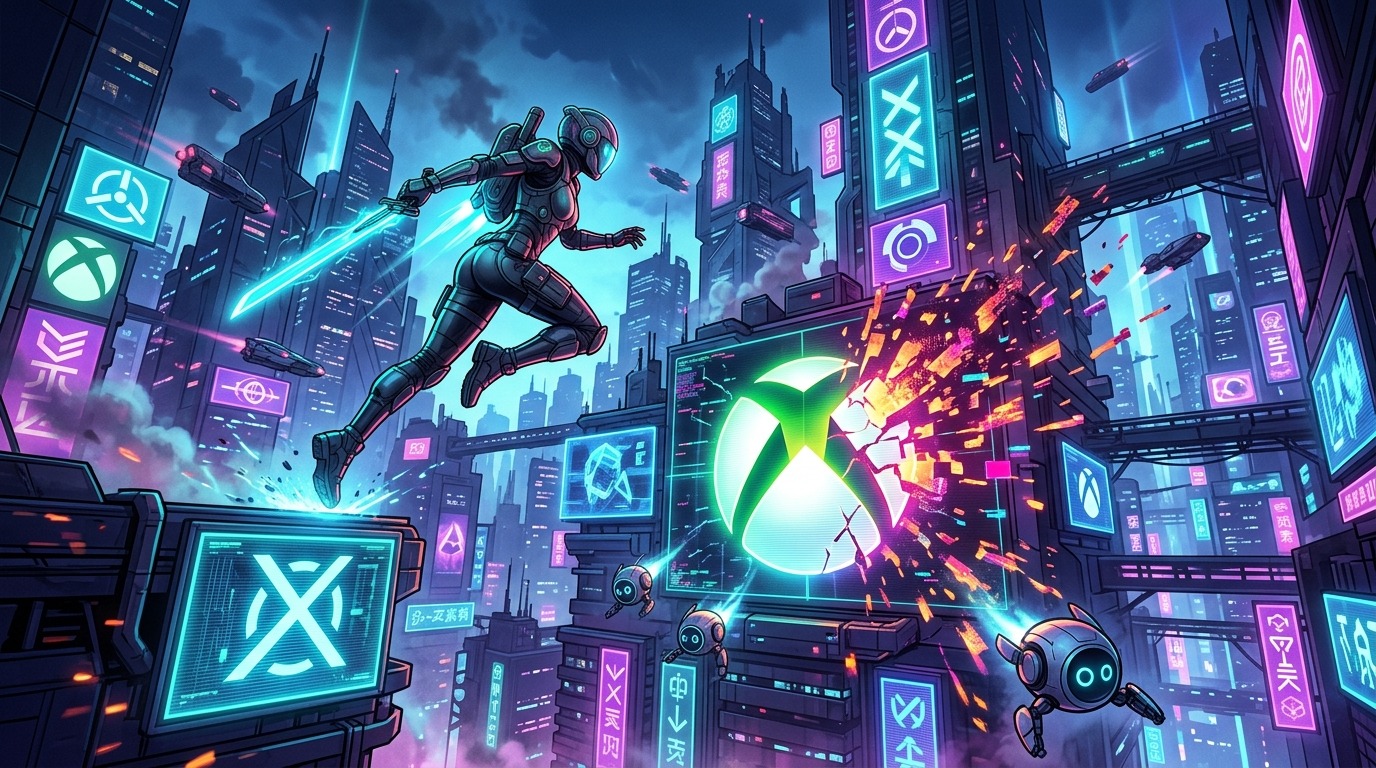
Microsoft Pulls Copilot from Xbox. A New Dawn for Pure Gaming?
Microsoft has officially removed the Copilot AI assistant from Xbox consoles and mobile apps. This strategic pivot aims to reclaim computing resources and refocus on core gaming functionalities, removing unnecessary tools that fail to deliver real us
Microsoft has officially removed the Copilot AI assistant from Xbox consoles and mobile apps. This strategic pivot aims to reclaim computing resources and refocus on core gaming functionalities, removing unnecessary tools that fail to deliver real user value. Copilot, which was supposed to assist players with navigation and information, has been criticized for inefficiency and unnecessary system load. The decision to remove it is part of a broader strategy to simplify the gaming experience and eliminate superfluous AI features.
| Title | Microsoft Xbox Copilot |
|---|---|
| Genre | AI Assistant |
| Developer | Microsoft |
| Publisher | Microsoft |
| Release Date | 2026 |
| Platforms | Xbox Series X/S, Mobile |
| Cover Image | Microsoft |
Key Takeaways:
- Microsoft removes Copilot AI from Xbox consoles and mobile apps
- The decision aims to reclaim computing resources and focus on core gaming functions
- Players reported Copilot inefficiency and unnecessary system load
- Microsoft will now focus on developing key features like DirectX 12 Ultimate and Quick Resume
History and Context
Microsoft has long been investing in AI technology across its product lineup. In recent years, AI has found its way into various sectors, including video games. Copilot on Xbox was intended to be a groundbreaking tool that would assist players in navigating the interface, providing game information, and aiding decision-making. Unfortunately, the tool failed to meet expectations, with players increasingly complaining about its inefficiency, unnecessary system load, and lack of added value.
Microsoft's New Strategy
The removal of Copilot from Xbox is part of a broader strategy by Microsoft to focus on core gaming functionalities and eliminate unnecessary AI tools. The company aims to reclaim computing resources to better optimize console performance. Copilot required constant cloud connectivity and real-time user activity monitoring processes, which negatively impacted system performance.
Microsoft now intends to focus on developing key features such as DirectX 12 Ultimate and Quick Resume. These features have long been popular among players and have a real impact on gaming comfort. Removing AI will allow better utilization of hardware resources and a focus on what's most important - the games themselves.
Do you think removing Copilot from Xbox is a good decision?
Technical Aspects of Copilot Removal
The decision to remove Copilot also has its technical aspects. Internal communications leave no doubt - the company must return to building real relationships with its audience. Instead of adding more algorithm layers to the system, Microsoft wants to remove barriers that spoiled the pure joy of using Xbox Series X and S consoles. Copilot required constant cloud connectivity and real-time user activity monitoring processes, which negatively impacted system performance.
Removing Copilot will allow better utilization of hardware resources. Instead of wasting processing power on analyzing player behaviors, Microsoft will invest it in further developing DirectX 12 Ultimate libraries and improving the Quick Resume feature, which has been one of the most valued elements of the Xbox ecosystem.
Impact on the Video Game Market
Microsoft's decision may also impact the video game market. Sony and Nintendo are likely watching this move with interest. PlayStation 5, while having its advanced features, has never gone as aggressively into AI assistants. It can be assumed that the move by the Redmond giant will cool the enthusiasm of other manufacturers for experimenting with similar solutions in the near future.
For third-party developers, Microsoft's decision to pull the plug on Copilot comes as a relief. Over recent months, developers have been under pressure to adapt their games to specific Microsoft APIs, which complicated optimization workflows. Now, as the system becomes "cleaner", game creators gain more freedom in managing console memory, which could result in better graphics and frame rates in upcoming AAA titles.
The Future of Xbox
The removal of Copilot is not the end of innovation on Xbox. Microsoft will continue to use AI within individual games (such as DLSS/FSR, intelligent NPCs), but it is abandoning the imposition of AI as a system layer in the user interface. The company wants to focus on what's most important - the games themselves and the comfort of their use.
Looking at this move historically, it resembles the mistakes of the early Xbox One era, when the company tried to turn the console into a multimedia hub at the expense of gaming performance. Today's decision, however, is different - it is a conscious abandonment of trendy "bells and whistles" in favor of pure gaming functionality. Microsoft wants to show that Xbox is first and foremost an excellent gaming device, not an experimentation ground for the latest technologies.
FAQ
Will Copilot be completely removed from Xbox?
Yes, Microsoft is officially discontinuing this feature. It will be completely removed from the console interface and related mobile applications.
Why did Microsoft make this decision?
The company is focusing on simplifying the OS, improving performance, and responding to user feedback, who were tired of ubiquitous and often unnecessary AI.
Will this affect game performance?
Yes. Removing unnecessary background processes frees up system resources (CPU and RAM), allowing the console to focus on rendering games rather than maintaining active AI services.
Does this mean the end of AI in Xbox games?
No. Microsoft will continue to support AI-driven features within individual games (such as upscaling tech like DLSS/FSR), but it is moving away from forcing AI as a system-level layer in the UI.