Death Stranding 2 Goes Extreme: 'To the Wilder' Mode Tests Player Limits
Kojima Productions introduces 'To the Wilder', an extreme hardcore mode for Death Stranding 2 that transforms gameplay into a genuine test of endurance and precision. It's far more than a simple difficulty adjustment – it's a complete mechanics overh
Death Stranding 2 has taken extreme gaming to a whole new level with the 'To the Wilder' mode. Kojima Productions continues to push boundaries, and this update shows the studio's commitment to delivering hardcore experiences. Is this a breakthrough or a potential alienation of players?
| Title | Death Stranding 2 |
|---|---|
| Genre | Action, Adventure, Survival |
| Developer | Kojima Productions |
| Publisher | Sony Interactive Entertainment |
| Release Date | 2024 |
| Platforms | PlayStation 5, PC |
| Cover Image | Kojima Productions |
Key Takeaways:
- 'To the Wilder' is an extreme response to hardcore gamers' desires, significantly raising the challenge bar
- Changes include significantly increased damage, restricted regeneration, and much tougher physics requiring precision
- The new mode is not just a challenge but a spiritual experience for the most resilient and best-prepared players
- The introduction of this mode demonstrates Kojima Productions' adaptability and openness to community feedback
The Genesis of Extreme Challenge
Not long ago, the Death Stranding 2 community – especially those who love challenges – began demanding a significantly harder experience. Kojima Productions listens to its players and not only that – they know how to deliver a truly extreme challenge that goes beyond conventional approaches to difficulty. This move goes beyond a simple response to wishes – it's a strategic decision aimed at maintaining interest among the most demanding audiences.
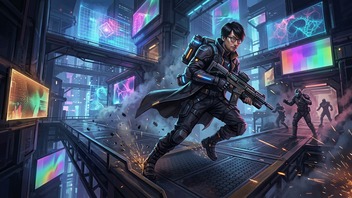
In 'To the Wilder', players face mechanics that squeeze every drop of sweat. Every mistake is devastating, and completing even the simplest route requires precision and perseverance. It's a true survival school in a world that shows no mercy, where every element of the environment becomes a potential threat. This mode not only raises the bar – it throws it to an entirely new level, requiring players not only to master basic mechanics but also to deeply understand the game's dynamics and adapt to extreme conditions.
What does this mean for hardcore gamers?
For those who love a challenge, 'To the Wilder' is a true paradise, and a genuine test of skills. This mode not only raises the bar – it creates an entirely new challenge that requires not only mastery of basic mechanics but also a deep understanding of the game's dynamics and adaptation to extreme conditions. Players must contend with dynamic threats that spare no one – from significantly stronger enemies to more capricious physics that can destroy even the best-planned mission.
In 'To the Wilder', physics becomes your main enemy. Every gust of wind, every jump – it's a challenge that can end in disaster. It's a true test of skill and nerves, and also a test of mental endurance. For hardcore gamers, it's a true feast, but for others, it might be too tough – it requires not only mastery of mechanics but also strategic thinking and exceptional mental resilience.
Marketing move or a genuine response to player requests?
The introduction of 'To the Wilder' is not just about satisfying gamers. It's also proof that Kojima Productions can adapt to changing expectations and respond to trends in the industry. However, this is not just an ordinary addition – it's a strategic decision that could change the way games are perceived as a medium, showing that even the most non-linear titles can satisfy the most demanding fans of challenges. It's a true revolution that could change the way games are viewed – not only as entertainment but as a genuine test of skills and endurance.
Innovative approach to mechanics
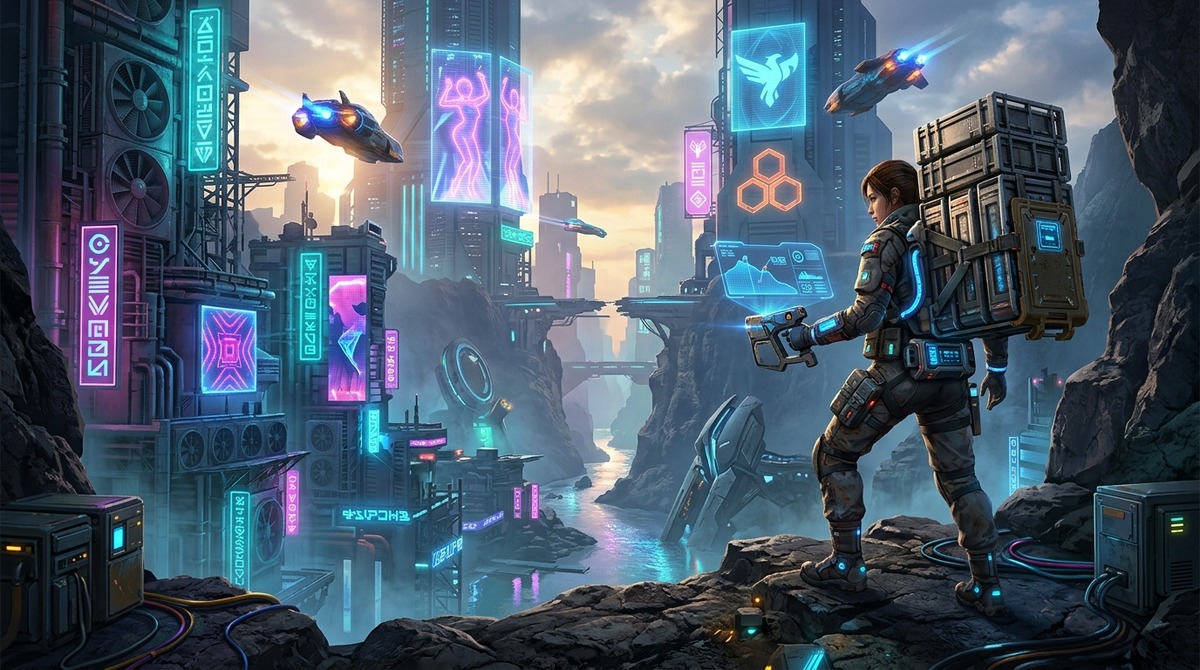
Death Stranding 2 is renowned for its unique cargo transport mechanics and non-linear open world. In 'To the Wilder' mode, these elements have been subjected to extreme refinement, making them even more complex and demanding. For instance, balancing loads becomes not only a matter of dexterity but also a deep understanding of the game's physics. Every step, every slope can be an obstacle, and the energy management system has been significantly restricted, forcing strategic planning of routes and breaks.
Moreover, enemy artificial intelligence has been greatly improved – they are more aware, faster, and relentless, requiring the player not only reflexes but also intelligent tactics. It's a true survival school in a world that shows no mercy. Every element of the environment – from weather to topography – becomes a factor that can ruin even the best-planned mission.
Technical nuances and hardware requirements
The introduction of 'To the Wilder' mode involves not only deep changes in game mechanics but also new technical requirements. To fully appreciate the precision and complexity of this mode, a player needs high-end equipment. On PC, powerful graphics cards and processors will be necessary to maintain high FPS and ensure smooth animations, especially in dynamic combat sequences or during exploration of difficult terrain.
The hardware requirements for 'To the Wilder' will be higher than for the standard version of the game, which is a consequence of increased complexity of physics and AI computations. Players on PlayStation 5 consoles will also feel an improvement in performance thanks to engine optimization, but it's on PC that this mode can truly flourish, providing an incredibly realistic and demanding experience. It's also worth mentioning sound – in 'To the Wilder' mode, music and sound effects have been significantly enhanced to further intensify emotions and create an atmosphere of constant tension.
The future of the genre and market impact
The introduction of 'To the Wilder' mode is not only an experiment by Kojima Productions but also an important signal for the entire gaming market. It shows that even the most niche genres can evolve and adapt to changing player expectations. This precedent could encourage other studios to conduct similar experiments, creating new opportunities for hardcore fans of challenges.
In the future, similar modes can be expected to appear in other titles, especially those that value depth of mechanics and strategic thinking. This is not only an opportunity to increase game longevity but also to create a new market segment – games that are not only entertainment but a genuine test of skills and endurance. For Kojima Productions, this is also an opportunity for further brand development and maintaining the position of innovation leader in the industry.
FAQ
What is 'To the Wilder' mode in Death Stranding 2?
It's an extreme difficulty option that significantly increases the challenge level. Damage is much greater and regeneration is limited, requiring players not only dexterity but also strategic thinking.
Why did Kojima Productions introduce this mode?
In response to player feedback, Kojima Productions decided to create a mode that would satisfy the needs of the most demanding fans, showing that the studio listens to its community and is open to experiments.
Does 'To the Wilder' affect the story?
No, the story remains the same. Changes only apply to gameplay mechanics, focusing on increasing difficulty and demanding experience.
Is 'To the Wilder' worth trying?
Only if you're ready to face a real challenge. For hardcore gamers, it's a true feast; for others, it might be too tough – it requires not only mastery of mechanics but also perseverance and strategic thinking.