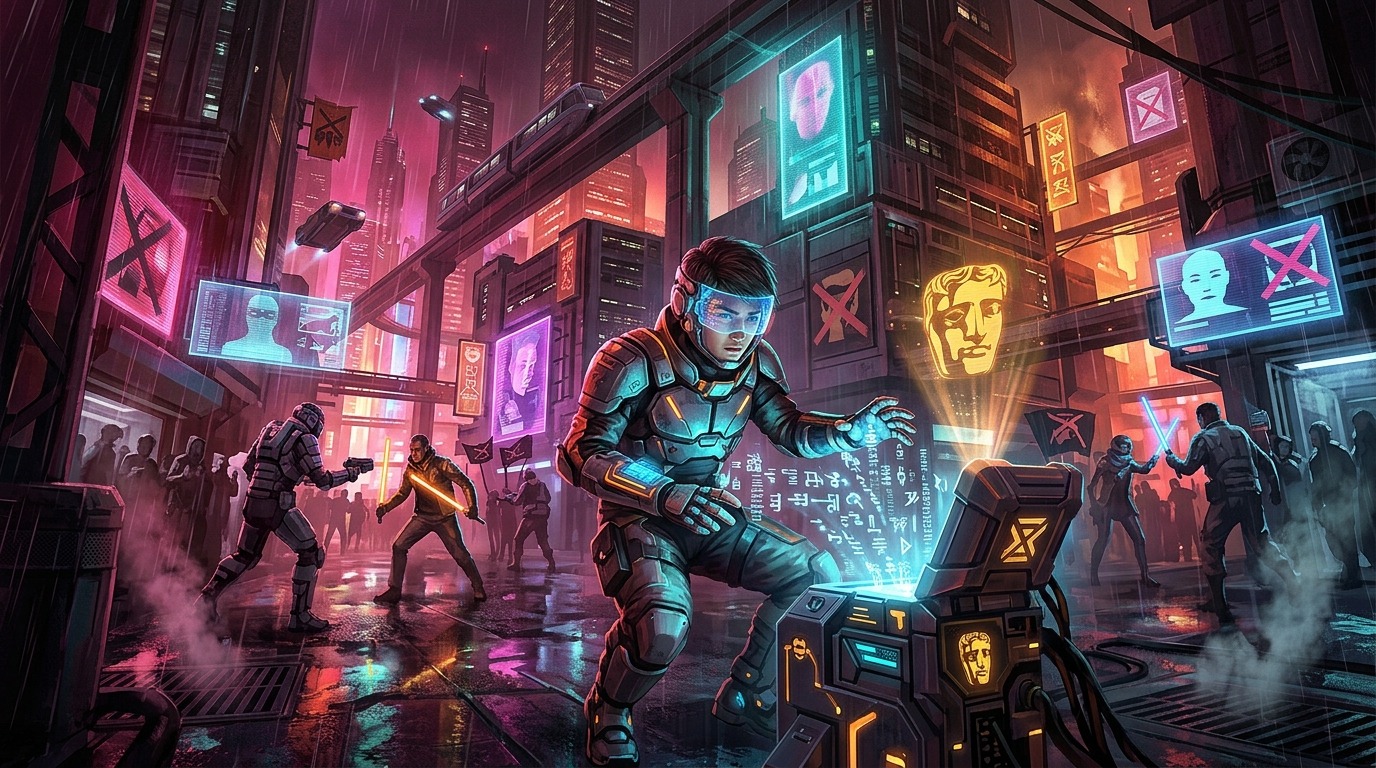
BAFTA Under Fire: The Quiet Things Censorship Controversy
Alyx Jones, founder of Silver Script Games, claims her autobiographical work The Quiet Things was pulled from a BAFTA showcase. Jones believes the organizers are avoiding confronting difficult themes such as childhood trauma and mental health, using
The BAFTA gala is a dream for many game developers—a place where the flash of cameras, tuxedos, and grand declarations about games as a legitimate art form meet critical acclaim. Yet, in the midst of this glitz, an incident occurred that casts a shadow on the institution's reputation. Alyx Jones, founder of Silver Script Games, hit a wall she could not break with politeness. Her autobiographical work, The Quiet Things, was supposed to be part of a prestigious showcase. It was pulled at the eleventh hour. The question is simple: is this a bureaucratic error or a panicked fear of what hurts the most?
| Title | Genre | Developer | Publisher | Release Date | Platforms | Cover Image |
|---|---|---|---|---|---|---|
| The Quiet Things | Autobiographical Narrative / Drama | Silver Script Games | Silver Script Games | Unreleased | PC, PlayStation, Xbox | BAFTA |
Key Takeaways:
- Developer Alyx Jones accuses BAFTA of censorship.
- The game was set to be featured at a major industry event.
- BAFTA cites lack of time for content warnings.
When the industry fears the truth: The Alyx Jones Case
The BAFTA gala is a dream for many game developers—a place where the flash of cameras, tuxedos, and grand declarations about games as a legitimate art form meet critical acclaim. Yet, in the midst of this glitz, an incident occurred that casts a shadow on the institution's reputation. Alyx Jones, founder of Silver Script Games, hit a wall she could not break with politeness. Her autobiographical work, The Quiet Things, was supposed to be part of a prestigious showcase. It was pulled at the eleventh hour. The question is simple: is this a bureaucratic error or a panicked fear of what hurts the most?
Let's be clear: the organizers' official explanations about a lack of time to prepare proper content warnings sound like a poor excuse. This is a deeper wound—a reluctance to confront narratives that do not fit the colorful world of safe entertainment. Alyx Jones spent years pouring her memories of childhood trauma into code and art. She believed that games could be a perfect mirror for even the most difficult human experiences. Instead of a handshake, she received cold silence. This behavior reflects a wider trend where cultural institutions fear 'difficult' topics, worrying about their brand image.
This is not a mistake in the workflow; it is a systemic barrier. Independent developers frequently hit a wall when their vision does not align with the corporate aesthetics of a 'safe product.' When BAFTA decides what deserves to be shown to the world and what should be hidden deep in a drawer, we must question the limits of artistic freedom. Has this medium really grown up? Or do we prefer to pretend that difficult topics do not exist? Rejecting such a personal project sends a clear signal to all indie developers: speak the truth, but only the kind that won't ruin the jury's mood. Games dealing with mental health or domestic abuse are often sidelined, despite their immense educational and emotional value.
When a designer opens up the dark corners of her past, large institutions often look away. The Quiet Things was meant to be a voice for those unheard. Instead, it became a symbol of the marginalization of voices that challenge the comfortable observer. If the gaming industry wants to be taken seriously as a cultural powerhouse, it must stop filtering out emotions that don't fit into a tidy marketing campaign. Authenticity in indie games often loses out to the need to maintain a 'safe' distance.
Alyx Jones was not looking for pity, but a platform for her story. She was met with the sound of slamming doors. This is a lesson for the entire industry, which must decide: do we want to be a medium that only entertains, or one that changes perspectives?
Prestige is built on trust and courage. If project selection becomes a filter that removes 'inconvenient' emotions, the academy's credibility crumbles like a house of cards. Are the decision-makers afraid of open debate? Or are they simply incapable of handling a story that doesn't end with a happy 'The End' sign, but instead leaves the player with questions about their own sensitivity? The future of BAFTA depends on whether it can move beyond safe entertainment and accept that art can be painful.
BAFTA and the challenge of artistic courage
The Silver Script Games affair is a turning point. If we want games to be more than just digital toys, we must learn to handle pain, loss, and trauma. Without this, we will remain in a bubble of safe adventures that avoid what matters most in life. Alyx Jones was not looking for pity, but a platform for her story. She was met with the sound of slamming doors. This is a lesson for the entire industry, which must decide: do we want to be a medium that only entertains, or one that changes perspectives?
FAQ
Why was the game removed from the showcase?
Officially, BAFTA cited a lack of time to implement content warnings, though the developer believes this was an excuse to avoid dealing with sensitive subject matter.
What is The Quiet Things about?
The game is an autobiographical project by Alyx Jones focusing on personal experiences with childhood trauma and the process of coping with it.
Is this a common issue in the industry?
Alyx Jones emphasizes that she has repeatedly faced rejection for her projects due to their sensitive and uncomfortable subject matter, highlighting a broader problem of 'safe' curation in gaming showcases.
Will this incident affect the perception of BAFTA?
The incident sparked criticism on social media and among indie developers, casting doubt on the academy's openness to thematic diversity.